I. What are the production challenges associated with capping traditional bottled products?
In the production of cosmetics, personal care products, pharmaceuticals, and food, bottled products typically undergo capping and screw-capping processes after filling. For high-volume manufacturers, the operational efficiency and stability of the capping process directly affect the takt time of the entire production line.
Traditional manual capping methods are susceptible to variations in operating habits and operator skill levels, which can lead to inconsistent tightening force, crooked caps, and loose caps.
Even when using standard automatic capping equipment, if the equipment’s operating mode does not match the conveying cycle of the upstream section, issues such as long bottle wait times or production speed limitations may arise.
Therefore, for continuous bottling production lines, the use of multi-head follow-up capping equipment can further improve the level of automation in the capping process.
II. What are the characteristics of follow-up capping technology?
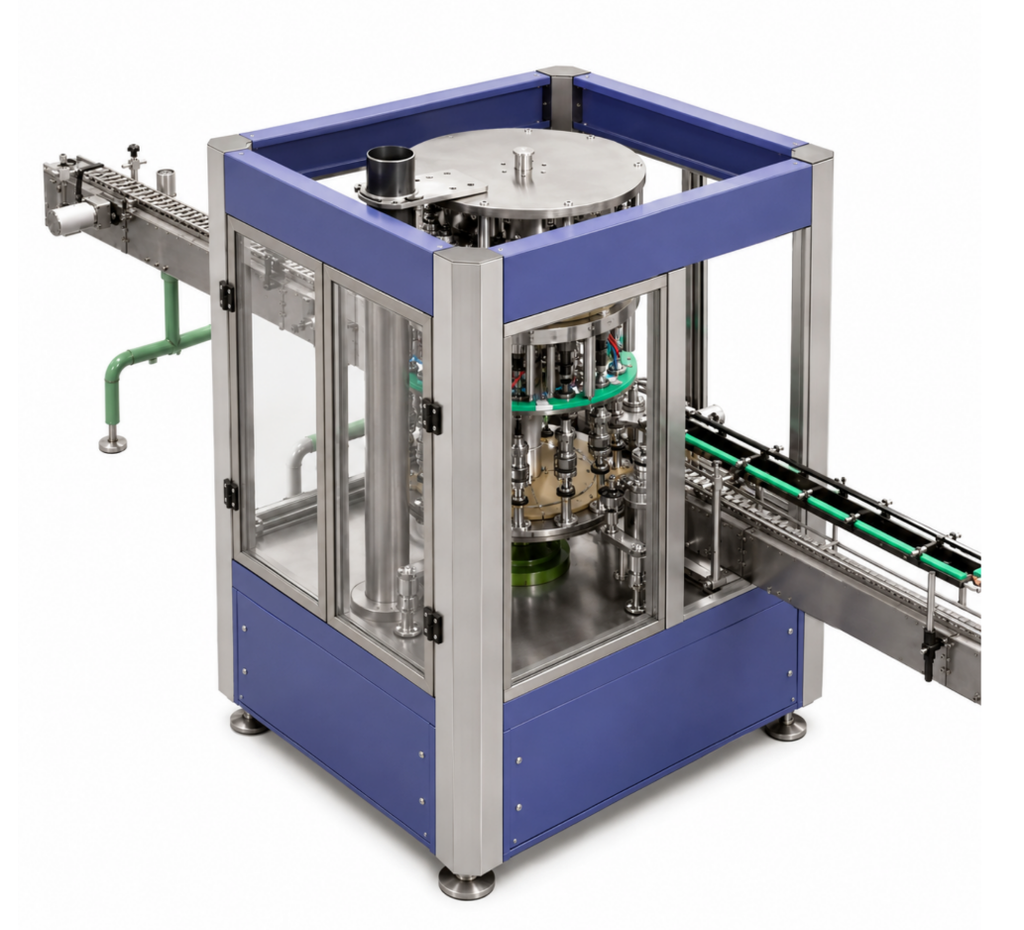
Conventional fixed-type capping machines typically require bottles to remain stationary at a designated position while the capping mechanism completes the locking action. In contrast, with a follow-along capping system, the capping head is able to move along with the bottles as they are conveyed within a certain working stroke, while simultaneously completing the capping operation.
This method reduces the impact on the production cycle caused by repeated pauses in the bottle conveyor, allowing for a smoother transition between the capping process and the conveying process.
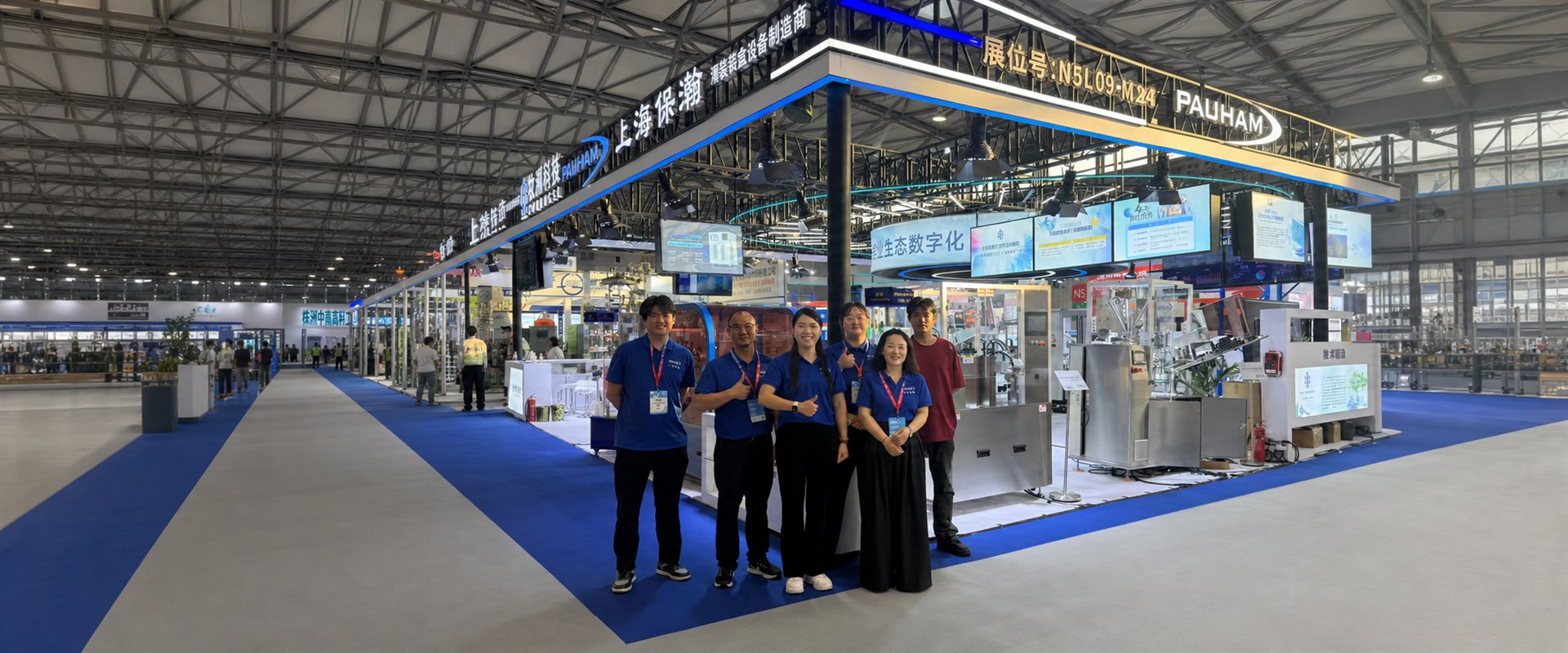
Baohan Technology’s fully automatic multi-head follow-up capping machine features a multi-head synchronous capping mechanism and can be configured with varying numbers of capping heads to meet production requirements. The machine’s control system adjusts capping speed, torque, and locking parameters to help improve capping consistency across different products.
For cosmetics, personal care, and food packaging companies that require continuous production, this type of equipment can serve as a key component at the end of the filling production line.
III. How to Select Capping Equipment Based on Bottle Caps and Bottle Shapes?
Different bottled products use different cap designs—such as screw caps, special-design caps, and plastic caps of various sizes—and each has different requirements for compatibility with the capping mechanism.
When selecting a model, you must provide samples of both the bottle caps and the bottles, and specify the cap diameter, thread structure, bottle material, and capping requirements. You should also consider the production speed of the upstream filling equipment to ensure that the capping machine can match the cycle time of the entire production line.
For manufacturers producing multiple product sizes, attention should also be paid to the ease of adjusting the capping head, changing the clamping mechanism, and configuring parameters.
Summary:
Multi-head capping machines, through synchronized operation and multi-head coordination, can improve production cycle time and capping consistency during the continuous capping process for bottled products. Baohan Technology can provide customers with customized automatic capping equipment configurations based on bottle shape, cap structure, and production speed.
 Baohan Technology Development (Shanghai) Co., Ltd.