Focusing on the technology, industry applications, and corporate practices related to filling and sealing equipment, we continuously share professional content on equipment selection, production line upgrades, quality inspection, and smart manufacturing.
Equipment Selection GuideProduction Line Upgrade PlanKey Points for Quality InspectionIndustry Trend Insights
“Customization” of filling and packaging equipment does not simply mean adding a workstation; rather, it involves reorganizing the production process based on the material, packaging materials, production capacity, quality standards, and factory layout. Particularly in the cosmetics, personal care, pharmaceutical, and adhesives industries, a single piece of equipment often must handle different viscosities, different volumes, and a variety of packaging materials; the quality of project implementation directly impacts the stability of subsequent mass production.
Baohan Technology Development (Shanghai) Co., Ltd. specializes in automated filling and packaging equipment for tubes and bottles. Drawing on our experience with both standalone machines and complete production lines, a custom filling and packaging solution typically goes through the following stages.
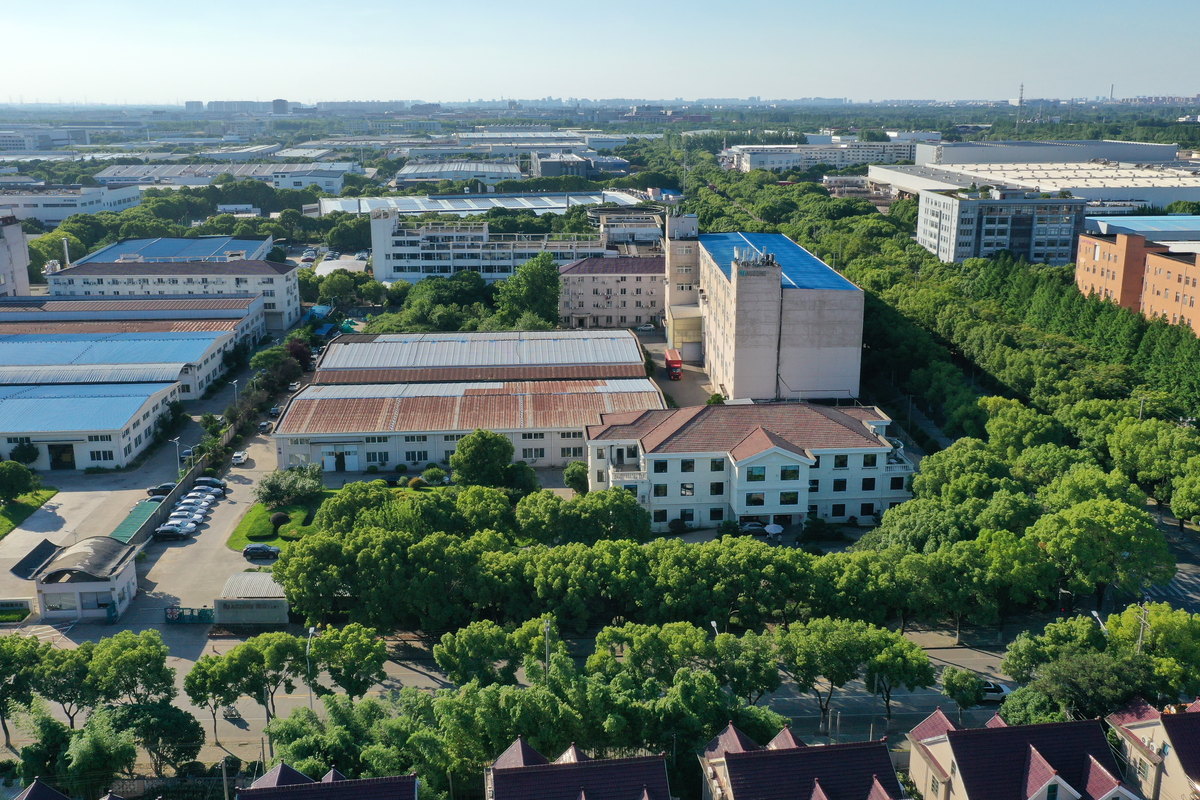
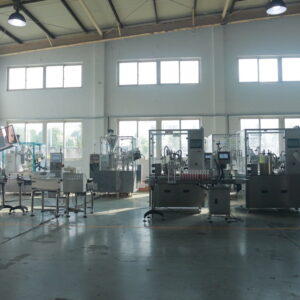
Aerial View of Baohan Technology's Shanghai Production Facility
I. Requirements Analysis: First, define the product; then discuss the equipment
At the start of a project, the following information should be collected: product names and viscosities, filling volumes, packaging dimensions, cap types or sealing methods, target production capacity, shifts, changeover frequency, cleaning requirements, and quality inspection standards. It is also necessary to understand the dimensions of the production facility, personnel access routes, water, electricity, and gas infrastructure, as well as upstream and downstream equipment.
If this information is incomplete, the device’s speed, configuration, and quoted price may differ from actual specifications. For multi-brand contract manufacturers, the minimum, maximum, and most common specifications should also be listed to serve as a basis for compatibility design.
II. Sample Testing: Validating Key Functions Using Actual Materials
Sample bottles, sample tubes, bottle caps, and actual product are essential to the validation of a process. Through test filling, it is possible to observe accuracy, dripping, stringing, foaming, and the state of the product feed; through test sealing or capping, it is possible to assess the appearance of the sealed end, seal integrity, capping torque, and packaging material stability.
For high-viscosity pastes, specialty adhesives, liquids prone to foaming, or irregularly shaped packaging, sample testing should be conducted as early as possible to avoid having to make significant modifications after the equipment has been manufactured.
III. Takt Time and Layout Design: Achieving Goals Through the Entire Production Line, Not Just Individual Machines
The production capacity of the entire line is determined by multiple workstations. The design must balance the cycle times for bottle feeding or tube loading, filling, sealing or capping, in-line inspection, inkjet coding, case packing, carton packing, and palletizing, while also incorporating the necessary buffers and error handling mechanisms.
The layout design should also take into account space requirements for operator activities, mold changes, cleaning and maintenance, and material replenishment. Interfaces and space should be reserved for inspection or packaging modules that may be added in the future.
IV. Manufacturing and Integrated Testing: Integrating Mechanical, Electrical, and Control Logic into a Single System
Once individual machines have been manufactured, an integrated line commissioning must be performed. Start/stop, material shortage, fault, and release signals must be correctly transmitted between all equipment to ensure that, in the event of an anomaly at a particular station, the preceding and subsequent equipment can respond in an orderly manner. When inspection equipment detects nonconforming products, the logic for rejection and recording must also be accurate.
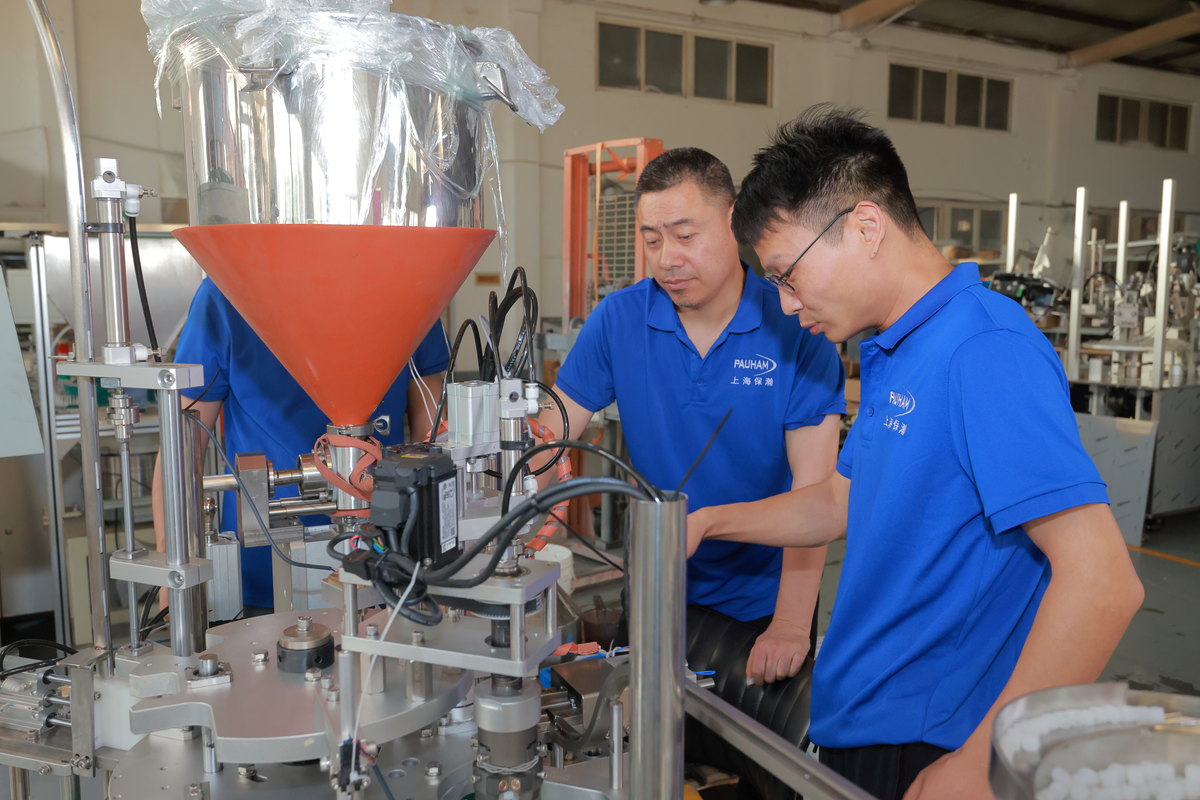
The Baohan Technology engineering team is conducting on-site joint commissioning of the equipment
V. Factory Acceptance: Based on the results of continuous production
Acceptance testing should not be limited to verifying whether the equipment is operational; rather, it should involve continuous testing in accordance with the agreed-upon packaging materials, raw materials, speed, and time. Special attention should be given to recording filling accuracy, the quality of sealing or capping, inspection accuracy, changeover time, and recovery from malfunctions.
For projects requiring traceability, you should also verify that the batch codes, labels, and test data are correctly linked.
VI. Installation Training and Ongoing Support
Once the equipment arrives at the factory, it must be positioned, connected, commissioned, and put through trial production. Training must also be provided on operation, changeovers, cleaning, maintenance, and troubleshooting common issues. Only when the production team has mastered the standard procedures can the automated equipment continue to operate efficiently.
The core team at Baohan Technology has many years of experience in the R&D and manufacturing of international filling equipment and can provide both standalone machines and customized automated production line solutions tailored to the needs of tubes, bottles, and post-packaging. To initiate a project evaluation, please contact us viaContact UsSubmit information on products, packaging materials, production capacity, and facilities.
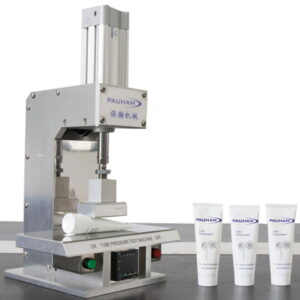
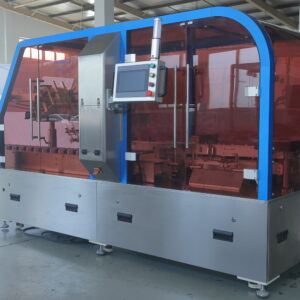
The in-line tube pressure tester continuously monitors the pressure resistance and seal integrity of tubes after filling and sealing, automatically identifies and rejects defective products, and enables seamless integration of seal quality inspection with continuous production lines.
The fully automated post-processing packaging production line integrates conveying, cartoning, case sealing, weighing, labeling, strapping, and robotic palletizing to automate the post-packaging process, thereby reducing the need for manual handling, increasing production throughput, and enhancing quality traceability.
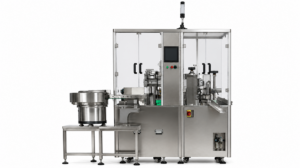
This article introduces the automatic filling and hot-melt sealing processes for single-use serum vials, and analyzes key considerations for peristaltic pump-based metered filling, multi-tube assembly compatibility, and equipment selection.
A fully automated lotion and cream filling production line can integrate bottle sorting, cleaning, inspection, filling, capping, screw capping, weighing, inkjet coding, and cartoning processes, achieving complete automation from empty bottles to cartoned products. This article analyzes the functions of each module and discusses how cosmetic factories should plan the entire production line...
 Baohan Technology Development (Shanghai) Co., Ltd.