Focusing on the technology, industry applications, and corporate practices related to filling and sealing equipment, we continuously share professional content on equipment selection, production line upgrades, quality inspection, and smart manufacturing.
Equipment Selection GuideProduction Line Upgrade PlanKey Points for Quality InspectionIndustry Trend Insights
Just because a tube appears to meet visual inspection standards after filling and sealing does not necessarily mean its seal integrity is reliable. Sealing temperature, pressure, tube material, residual product, and equipment condition can all affect the finished product’s ability to withstand pressure. If issues are not detected until the warehousing, transportation, or end-use stages, they often result in rework, returns, or even brand-related risks.
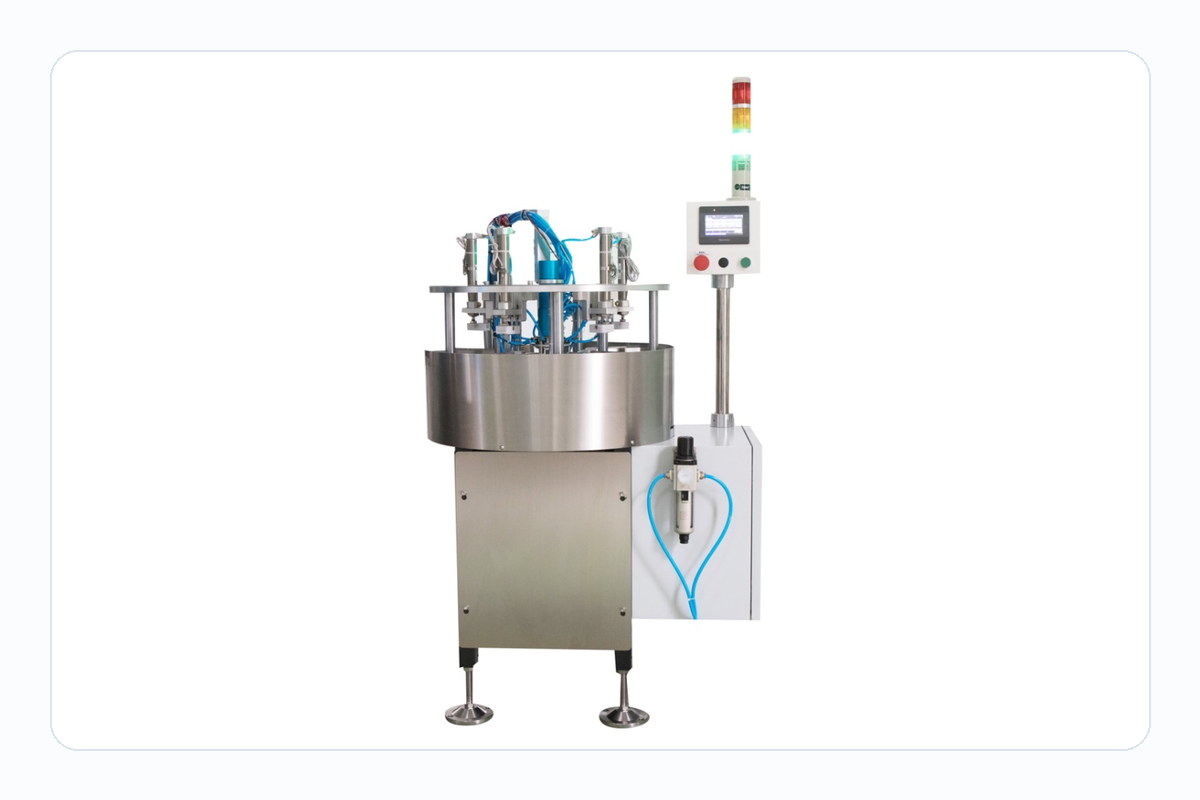
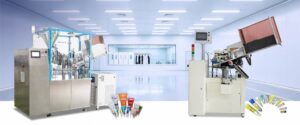
Online hose pressure testers integrate leak testing directly into the production line, transforming quality control from manual spot checks to continuous, automated testing.
In-Line Hose Pressure Testing Equipment
I. Why Is Pressure Testing Necessary After Sealing the End of a Hose?
Products such as facial cleansers, sunscreen, hand cream, toothpaste, ointments, and adhesives are subject to compression during transportation and use. Even minor defects in the sealed end area can lead to leakage, cracking, or bursting. It is difficult to reliably detect such issues through visual inspection alone.
Pressure testing evaluates a hose’s pressure resistance and seal integrity by setting specific test pressures and durations. When test results exceed the set parameters, the system detects the anomaly and rejects the product, preventing nonconforming items from proceeding to the box-packing or case-packing stages.
II. What Is the Difference Between Online Testing and Manual Spot Checks?
Manual spot checks are suitable for assessing trends across batches, but they have limited coverage and are susceptible to variations in operator technique. Online inspection can be synchronized with the cycle time of the filling and sealing machine, automatically inspecting every item or a high percentage of products during continuous production while maintaining more consistent inspection conditions.
For companies with high production volumes, strict quality requirements, or a need to reduce customer complaints, online inspection helps detect drifts in sealing parameters, variations in material batches, and equipment malfunctions at an earlier stage.
III. How to Integrate Equipment into the Hose Production Process
A typical process can be configured as follows: automatic tube loading, filling, sealing, pressure testing, rejection of defective products, inkjet coding, and cartoning. The inspection equipment must be synchronized with the preceding and subsequent stations and must correctly handle signals indicating missing tubes, jammed tubes, and abnormal shutdowns.
Baohan TechnologyIn-Line Hose Pressure TesterUsing an online automatic inspection approach, the system can be configured based on hose specifications, production speed, and inspection requirements. During project implementation, the pressure range, inspection time, and acceptance criteria should be determined through testing with sample hoses.
IV. What Parameters Should Be Verified When Selecting a Model?
Companies should provide information on the hose material, diameter, length, end-sealing method, product to be filled, production line speed, and quality standards. If a single production line manufactures multiple specifications, attention should also be paid to whether the changeover method, parameter settings, and clamping mechanism are easy to adjust.
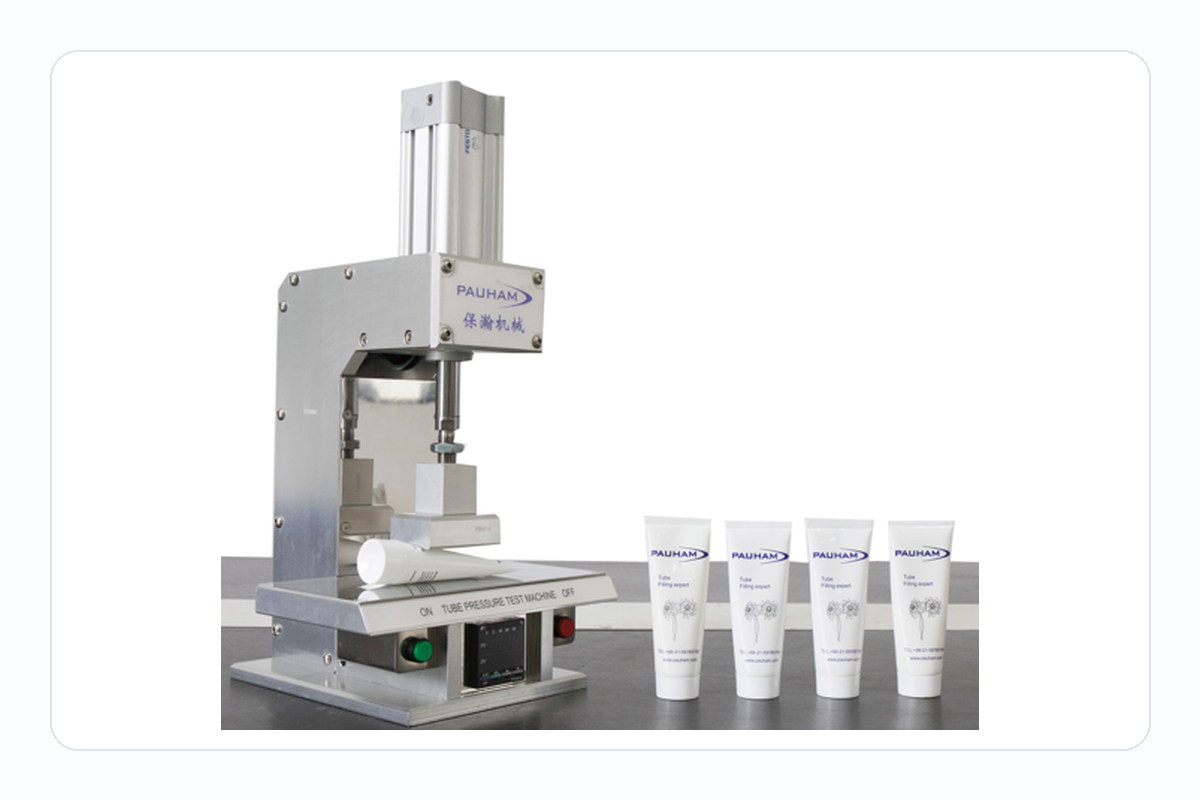
Random-Sample Hose Pressure Tester and Test Hoses
When it comes to testing pressure, higher is not necessarily better. Appropriate standards should be determined based on packaging design, product usage scenarios, and the company’s internal quality requirements to avoid misclassifying normal products due to excessive testing.
V. Online inspection is part of the closed-loop production process
The value of a pressure testing machine lies not only in weeding out defective products but also in helping companies monitor quality trends. When the defect rate rises, companies should promptly check the sealing temperature, pressure, cooling, packaging material batch, and equipment condition to correct the problem at its source.
Baohan Technology Development (Shanghai) Co., Ltd. offers integrated equipment solutions for hose filling and sealing, in-line pressure testing, and downstream packaging. When evaluating the addition of inspection stations to an existing production line, you can do so throughContact UsProvide the hose specifications and the current production cycle time.
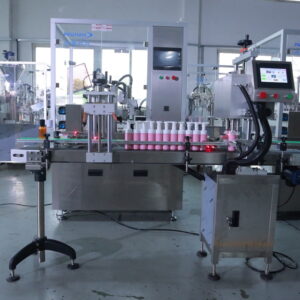
When selecting a PE bottle filling and capping machine, it is necessary to consider a combination of factors, including bottle type, product viscosity, capacity, cap type, production capacity, and inspection requirements. This article analyzes key factors—such as changeover efficiency, filling accuracy, capping quality, and in-line inspection—in the context of the cosmetics and personal care industries to assist in equipment selection...
Filling high-viscosity adhesives can lead to stringing and dripping, and consistency must be maintained when sealing aluminum tubes. A closed-loop system must be established covering feeding, metering, filling, cleaning, and sealing, and selection criteria and testing recommendations must be provided.
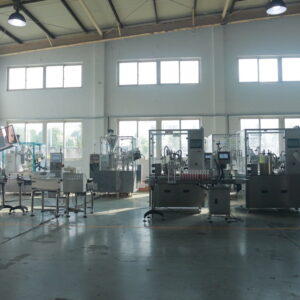
A fully automated lotion and cream filling production line can integrate bottle sorting, cleaning, inspection, filling, capping, screw capping, weighing, inkjet coding, and cartoning processes, achieving complete automation from empty bottles to cartoned products. This article analyzes the functions of each module and discusses how cosmetic factories should plan the entire production line...
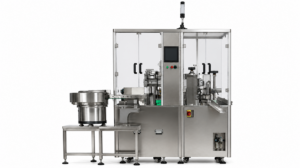
This article introduces the automatic filling and hot-melt sealing processes for single-use serum vials, and analyzes key considerations for peristaltic pump-based metered filling, multi-tube assembly compatibility, and equipment selection.
 Baohan Technology Development (Shanghai) Co., Ltd.