Focusing on the technology, industry applications, and corporate practices related to filling and sealing equipment, we continuously share professional content on equipment selection, production line upgrades, quality inspection, and smart manufacturing.
Equipment Selection GuideProduction Line Upgrade PlanKey Points for Quality InspectionIndustry Trend Insights
In industries such as cosmetics, personal care, pharmaceuticals, and adhesives, tube packaging is widely used for products like facial cleansers, hand creams, sunscreen, ointments, and glues. Different types of tubes and materials have vastly different requirements for filling, sealing, and cleaning and maintenance. Therefore, when selecting a tube filling and sealing machine, one should not simply compare equipment speed or price quotes, but rather conduct a systematic evaluation based on actual production conditions.
Based on its project experience in integrating hose filling with automated production lines, Baohan Technology has identified the following six key metrics to help manufacturers minimize errors in equipment selection.
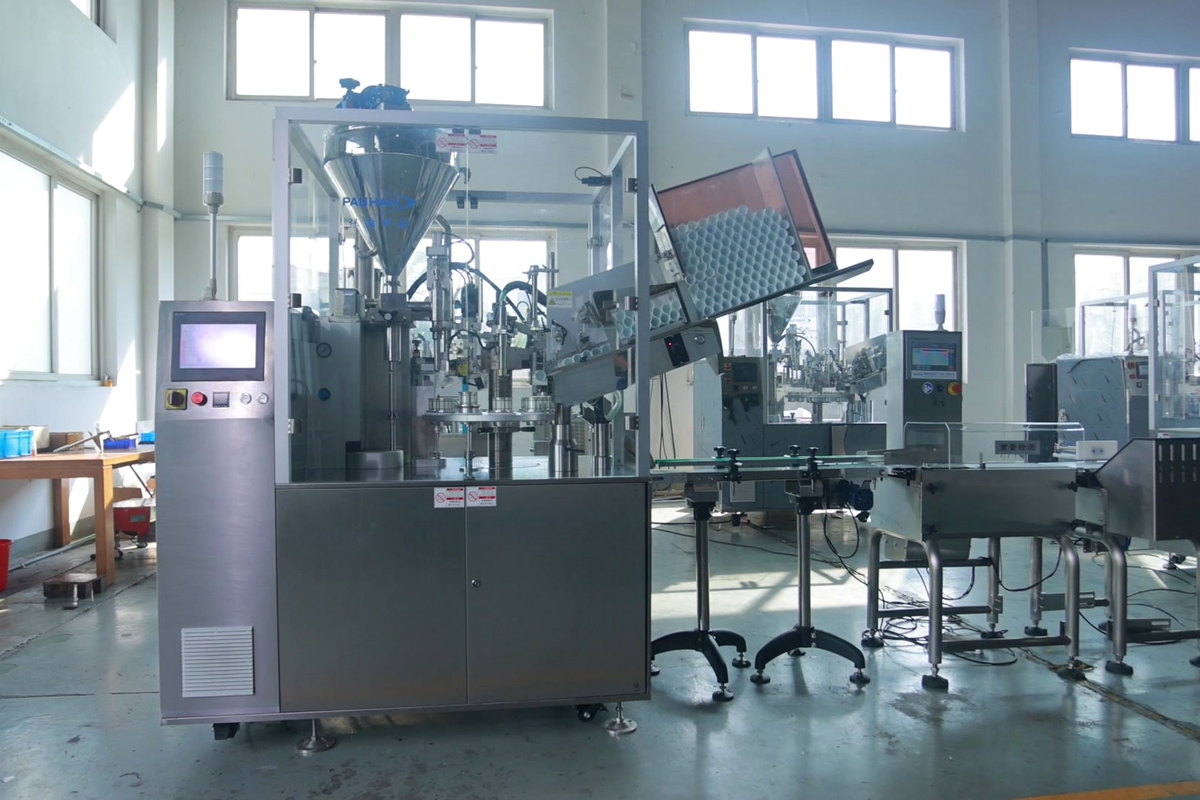
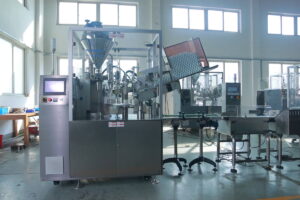
Complete Tube Filling and Sealing Machine and Conveyor Station
I. First, verify the hose material and the sealing method
The end-sealing processes for plastic tubes, composite tubes, and aluminum tubes differ. Plastic and composite tubes typically require heat sealing, end trimming, and batch number marking, while aluminum tubes place greater emphasis on end forming and seal stability. Before selecting a model, you should provide the tube material, diameter, length, end shape, and a sample tube so that the equipment manufacturer can match the appropriate heating, clamping, and end-sealing configurations.
If a single production line needs to accommodate multiple pipe diameters, it is also important to focus on mold changeover time, positioning and adjustment methods, and the ability to save parameter settings to avoid frequent changeovers that could impact efficiency.
II. Designing a Filling System Based on Material Characteristics
Liquids, emulsions, creams, ointments, and adhesives differ in terms of viscosity, flow characteristics, and stringiness. For materials prone to foaming, it is necessary to control the filling speed and the nozzle lift process; for high-viscosity materials, attention must be paid to feed pressure, valve design, and ease of cleaning; and for special materials such as adhesives, additional assessments are required regarding corrosion, curing risks, and sealing materials.
Before finalizing the plan, we recommend conducting test runs using actual product and packaging materials to evaluate filling accuracy, air bubbles, dripping, stringing, and the appearance of the sealed ends.
III. Production Capacity Must Be Aligned with the Rhythm of Upstream and Downstream Operations
The nominal speed of a machine is not the only criterion. Companies should also take into account tube loading methods, filling capacity, end-sealing and cooling time, inspection stations, and cartoning speed to determine the stable production capacity of the entire line. Even if a single machine operates at a very high speed, the efficiency of the entire line will still be limited if manual tube loading or downstream cartoning cannot keep up.
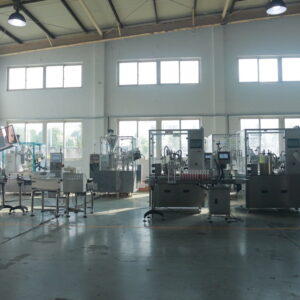
For companies planning to expand production, it is advisable to set aside space in advance for automated tube handling, online inspection, automated cartoning, and data integration interfaces, ensuring that the equipment has room for future upgrades. Baohan Technology’sFully Automatic Tube Filling Production LineMultiple stages can be combined according to project requirements, reducing the need for manual handling between processes.
IV. Focus on Filling Accuracy and Consistency in Sealing
Filling accuracy directly affects cost control and the yield rate of finished products, while the quality of the seal affects transportation, storage, and the consumer experience. When inspecting equipment, conduct continuous testing using representative products of varying volumes and viscosities, and record weight fluctuations, seal strength, batch number legibility, and visual consistency.
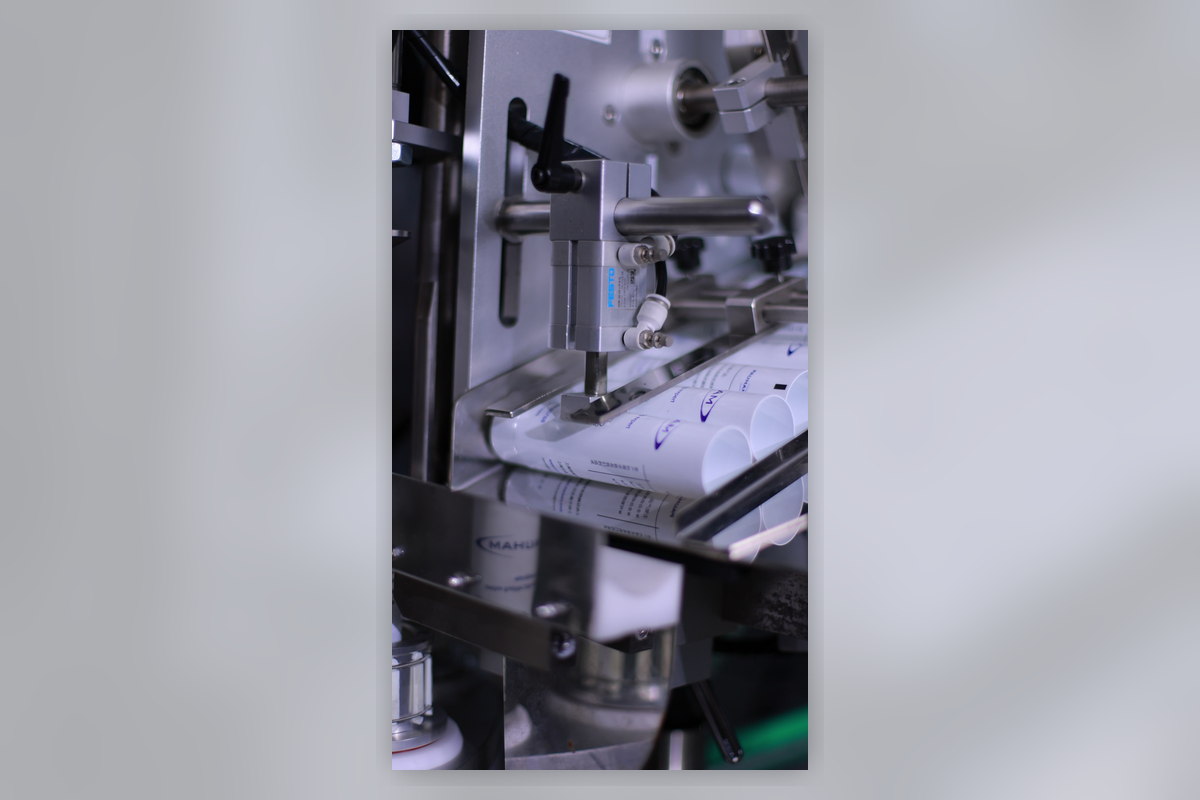
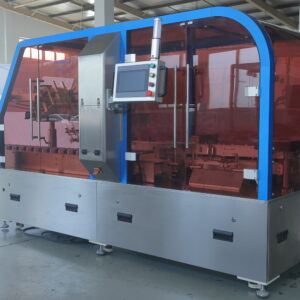
Details of the Hose Sealing and Inspection Station
For production lines with high quality requirements, weighing, vision inspection, or hose pressure detection modules can also be configured to automatically reject defective products before they enter the cartoning stage.
V. Replacement, Cleaning, and Maintenance Determine Long-Term Efficiency
Multi-brand, multi-specification production has become commonplace at cosmetics OEM/ODM factories. Factors such as whether equipment is easy to disassemble and clean, whether parts in contact with materials are easy to inspect, and whether parameters can be quickly restored after a product changeover all affect daily production capacity. When selecting equipment, in addition to considering operating speed, it is also important to gain a practical understanding of the processes for disassembly, assembly, cleaning, lubrication, and replacement of wear-and-tear parts.
VI. Incorporate After-Sales Service and Sample Acceptance into Procurement Standards
Tube filling and sealing equipment is classified as a long-term production asset. Companies should clearly define the scope of installation and commissioning, operator training, spare parts supply, and remote technical support, and complete testing of packaging materials and product samples before shipment. By establishing clear acceptance criteria, issues can be resolved in advance during the delivery phase.
Baohan Technology Development (Shanghai) Co., Ltd. specializes in automated filling and packaging equipment for tubes and bottles. We can provide solutions ranging from individual machines to complete production lines based on tube specifications, material characteristics, production capacity goals, and factory layout. For further evaluation, please visitContact UsSubmit information on packaging materials, raw materials, and production capacity on this page.
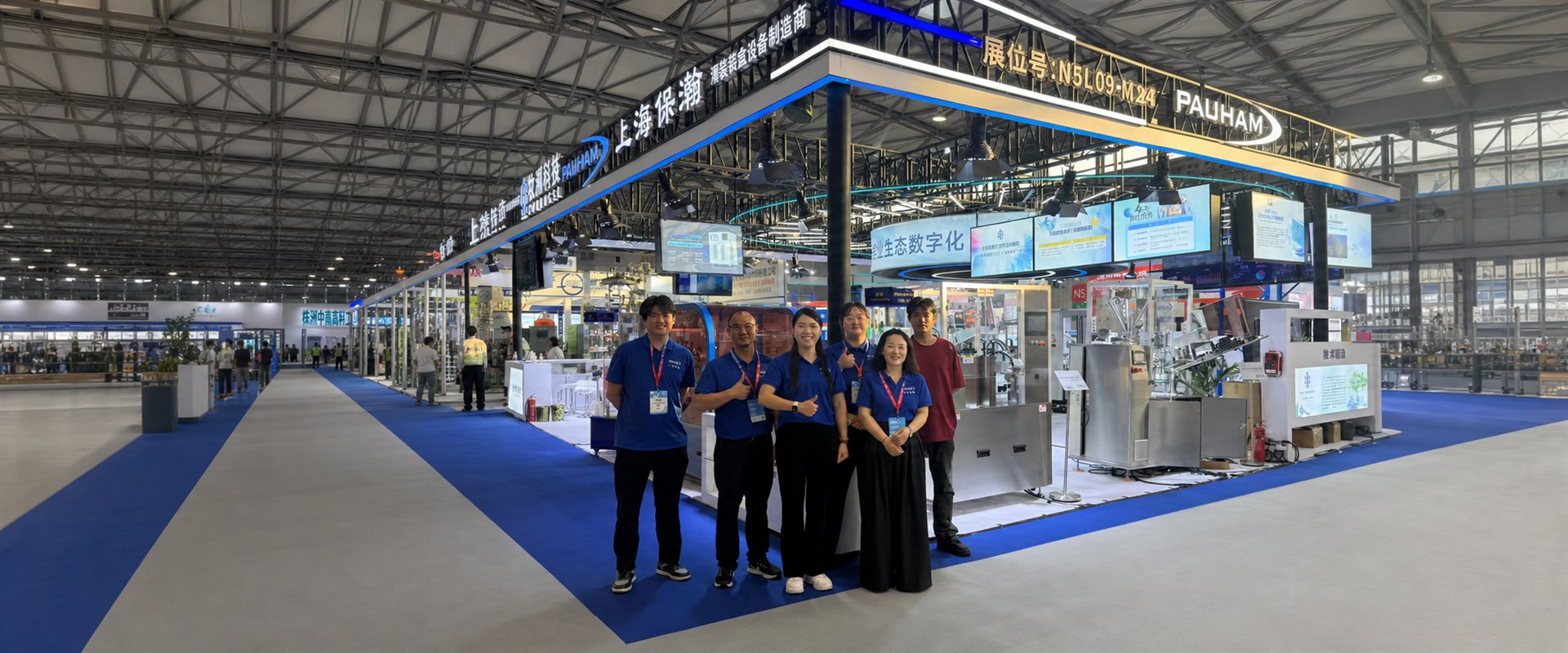
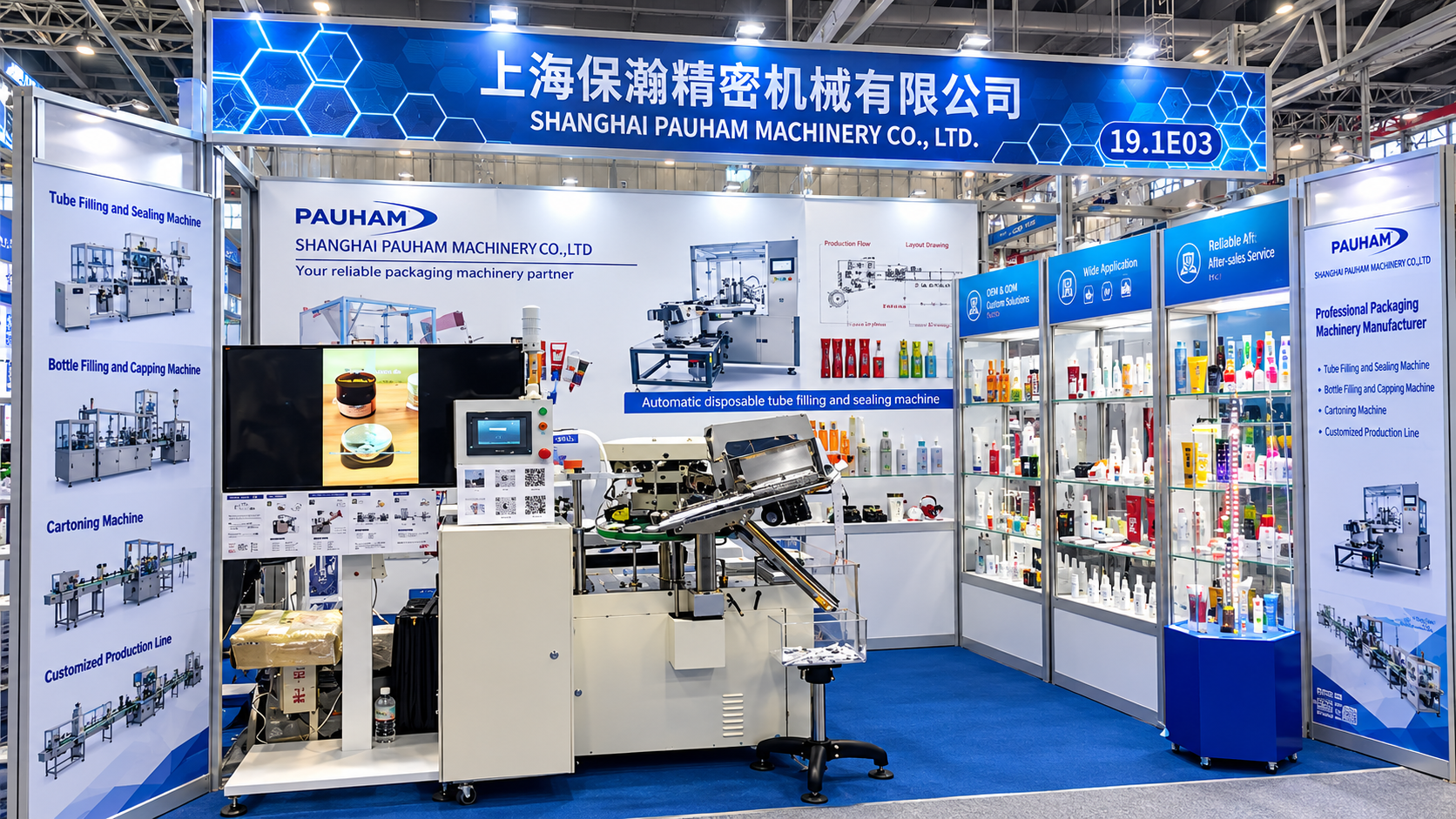
At the Canton Fair, Baohan Technology showcased a variety of automated filling and packaging equipment, including single-use tube filling and sealing machines, lotion and emulsion filling and capping machines, tube filling and end-sealing machines, aluminum tube filling and end-sealing machines, and cream filling equipment, demonstrating its leadership in the field of automated packaging machinery...
If a hose end is not sealed securely, conduct a systematic troubleshooting process in the following order: material, hose end, positioning, parameters, cooling, and inspection. Avoid deformation and embrittlement caused by adjusting only the temperature or pressure, and establish a process formula and maintenance checklist.
The fully automated post-processing packaging production line integrates conveying, cartoning, case sealing, weighing, labeling, strapping, and robotic palletizing to automate the post-packaging process, thereby reducing the need for manual handling, increasing production throughput, and enhancing quality traceability.
A fully automated lotion and cream filling production line can integrate bottle sorting, cleaning, inspection, filling, capping, screw capping, weighing, inkjet coding, and cartoning processes, achieving complete automation from empty bottles to cartoned products. This article analyzes the functions of each module and discusses how cosmetic factories should plan the entire production line...
 Baohan Technology Development (Shanghai) Co., Ltd.